Introduction
For blade manufacturers, polishing is rarely a one-size-fits-all job. A single product line may include sickles that need double-sided metal polishing, small knives that need single-sided blade finishing, utility knives that require sharp edge retention, and plastic handles that need a gentler low-speed buff. Buying a separate machine for each product type is expensive, wastes factory floor space, and creates headaches when product runs change.
So what does it look like when one machine handles both metal blades and plastic parts — with the flexibility to switch between single-sided and double-sided polishing on demand?
This case study walks through exactly that scenario, the equipment configuration that made it possible, and the practical takeaways for any manufacturer producing mixed-material parts.
The Customer's Challenge
The manufacturer in this case produces a portfolio of cutting tools — including sickles, small knives, and utility knives — and assembles them with plastic handles. The pain points were typical of growing hardware operations:
- Multiple product types on the same line: Some accessories required single-sided metal polishing, others required double-sided metal polishing, and the plastic handles needed a completely different low-speed single-axis finish.
- Frequent product changeovers: Production runs shift weekly, sometimes daily. A dedicated machine for each part type meant long setup times and idle equipment.
- High-volume output required: The factory runs three shifts and cannot afford downtime.
- Different material behaviors: Metal blades need higher wheel speeds and firmer contact, while plastic handles are heat-sensitive and need a softer, slower polish to avoid melting or warping.
The factory owner needed one machine that could deliver high-volume output while remaining flexible enough to handle metal and plastic parts with different polishing requirements.
The Solution: A Versatile Single/Double-Sided Polishing Machine
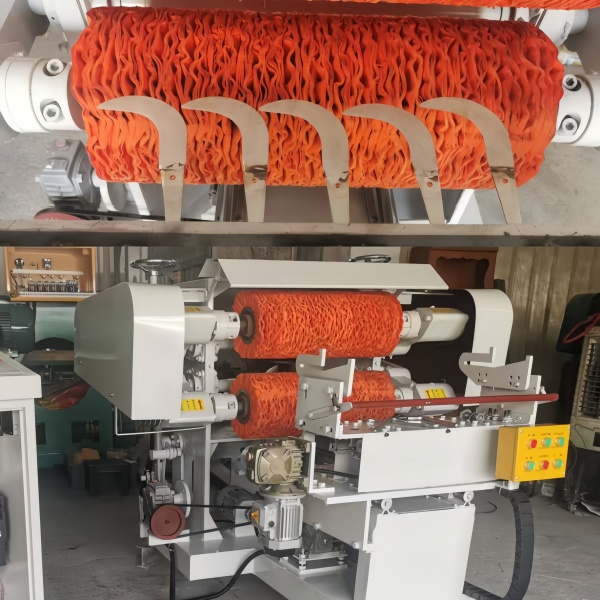
The factory installed a custom-configured automatic polishing machine from YL Polishing. The key was a single platform that supports either a single-axis or dual-axis grinding wheel — selectable based on the part being run — combined with variable-frequency speed control and optional automation upgrades.
The result: a single machine that automates grinding and polishing for both metal blades and plastic handles, with custom fixtures tailored to each part family.
"One machine, multiple purposes. We no longer move parts between stations or change wheels by hand. Setup for a new part takes minutes, not hours."— Production Manager, Blade Manufacturing Plant
Four Features That Make This Possible
1. Single-Axis or Dual-Axis Grinding Wheel — Configurable Per Job
The machine frame accepts either a single grinding wheel or a dual grinding wheel depending on the part. Single-axis wheels are ideal for:
- Single-sided metal polishing (one face of a blade)
- Low-speed plastic handle polishing (gentler contact)
Dual-axis wheels are ideal for:
- Double-sided metal polishing (both faces of a blade in one pass)
- Higher throughput on flat or symmetric metal parts
Switching between configurations is a fixture change — not a machine replacement.2. Variable-Frequency Speed Control
Different materials demand different wheel speeds. The integrated variable-frequency drive (VFD) lets operators tune the wheel RPM to the exact material and finish requirement:
- Metal blades: Higher RPM (typically 1400–2800 rpm) for aggressive cut and shine
- Plastic handles: Lower RPM (typically 600–1200 rpm) to prevent heat buildup and surface melting
- Transition metals or coated parts: Mid-range RPM with adjustable ramp-up
The result: a single motor platform serves the entire product family without compromising finish quality.3. Optional Automatic or Manual Wax-Spraying System
Polishing compound (wax) is critical to achieving a consistent mirror finish. The machine supports:
- Automatic wax spraying: Programmable intervals for high-volume runs, ensuring every part receives the same amount of compound
- Manual wax spraying: For low-volume, custom, or experimental setups
This is especially valuable for factories running the same machine across different SKUs — the wax system scales with the production mode.4. Optional Explosion-Proof, Eco-Friendly Dust Collection
Metal polishing produces fine dust. Plastic polishing produces fine shavings. Both are flammable and respiratory hazards. The machine accepts an optional explosion-proof wet dust collection system that:
- Suppresses dust at the source with a water curtain
- Meets safety standards for ignition-sensitive metal dust (aluminum, magnesium, etc.)
- Keeps the working environment clean for operators
- Handles both metal and plastic dust streams
For manufacturers running both materials, an integrated dust system is non-negotiable. The wet-type explosion-proof design is the industry default for mixed-material lines.Results: What the Manufacturer Achieved
Within three months of installation, the factory reported:
- 40% reduction in equipment footprint compared to running separate metal and plastic polishing lines
- Faster changeovers: Switching from blade to handle production now takes 15 minutes (versus 2+ hours with dedicated machines)
- Consistent quality across SKUs: Variable-frequency speed control eliminated burn marks on plastic handles and improved mirror finish on metal blades
- Lower labor costs: One operator can run the entire line, freeing two workers for downstream assembly
- Higher throughput: Dual-axis configuration doubled output on double-sided blade SKUs
The biggest unanticipated benefit: the factory now accepts smaller custom orders that would have been uneconomical under the old setup, opening new revenue streams.When Should You Choose This Type of Machine?
This versatile single/double-sided polishing configuration is ideal for:
Key Specifications to Discuss with Your Supplier
When evaluating a versatile polishing machine for mixed-material production, ask the following:
Conclusion
The era of buying a dedicated machine for every product type is ending. Modern versatile polishing platforms — with configurable single or dual grinding wheels, variable-frequency drives, optional wax systems, and integrated dust collection — let manufacturers consolidate equipment, reduce changeover time, and respond faster to market demand.For blade and hardware manufacturers producing both metal and plastic parts, this approach delivers the best balance of flexibility, quality, and capital efficiency.Ready to explore a versatile polishing machine for your production line?Visit YL Polishing to see our full range of automatic polishing machines, custom fixtures, and integrated dust collection systems. Send us your part samples and production requirements — we will configure a machine tailored to your specific metal and plastic polishing needs.📧 Email: suery@yl-polishing.com🌐 Website: www.yl-polishing.comHave questions about polishing metal blades and plastic handles on one machine? Contact YL Polishing for a free consultation and video test run on your parts.